The Hontai Yoshin Ryū-Takagi Ryū, a classical school of Japanese jujutsu, originated in the early Edo period, founded by Takagi Oriemon Shigetoshi (Umon) in the Oshu region (present-day Miyagi). Oriemon, known for his strength and inspired by the flexible yet resilient willow tree, passed on a legacy of jujutsu that prioritized adaptability over brute strength. The ryu moved geographically across Japan—through Shiroishi, Owari, Tosa, and finally settling in Hyogo prefecture where it gained prominence in the Himeji and Ako domains.
A pivotal figure in the ryu’s growth was the 2nd soke, Takagi Umanosuke Shigesada, who, after a humbling duel with the 3rd soke of Takenouchi Ryū, integrated its principles, establishing the ryu as a system emphasizing efficiency over size or power. His son, Takagi Gennoshin, helped solidify the ryu’s status in Himeji and collaborated with Okuni Kihei, a master of Kukishin Ryū Bojutsu. This led to the inclusion of Kukishin Ryū Bojutsu as a formal part of the Hontai Yoshin Ryū system.
Throughout the generations, various masters contributed to refining and preserving the system. Minaki Saburoji (17th Soke), a small but formidable master, played a vital role in revitalizing and restructuring the ryu during the 20th century, incorporating spiritual discipline and emphasizing budo as a path of mercy and creativity. He formally organized the school’s teachings and passed on the sokeship to Inoue Tsuyoshi Munetoshi, who continued its evolution and introduced Hontai Yoshin Ryū Iaijutsu.
Connection to Moto-ha Yoshin Ryū and Yasumoto Akiyoshi Soke
Moto-ha Yoshin Ryū Jujutsu, founded by Soke Yasumoto Akiyoshi, traces directly back to the Takagi lineage through Minaki Saburoji and Kanazawa Ichizu, preserving what Yasumoto considers the “original branch” teachings. Yasumoto, deeply rooted in both the technical and spiritual traditions of the ryu, trained under both Minaki and Kanazawa, earning Menkyo Kaiden in Hontai Yoshin Ryū and Takagi Ryū.
Although he had the license to branch out, Yasumoto remained a loyal pillar of the mainline school, serving as International Chief Instructor and mentoring Inoue’s son, Kyoichi Inoue, for over a decade. In 1999, Yasumoto formally named his own branch Moto-ha Yoshin Ryū, meaning “original branch,” reflecting a dedication to preserving the core teachings passed directly to him from Minaki and Kanazawa.
Like Moto-ha Yoshin Ryū, the Akiyama Yōshi Ryū shares roots through Yagi Ikugoro line through Ishibashi while Moto-ha Yoshin Ryū has a direct link to Ishitani Den through Kakuno Hachiheita Masayoshi.
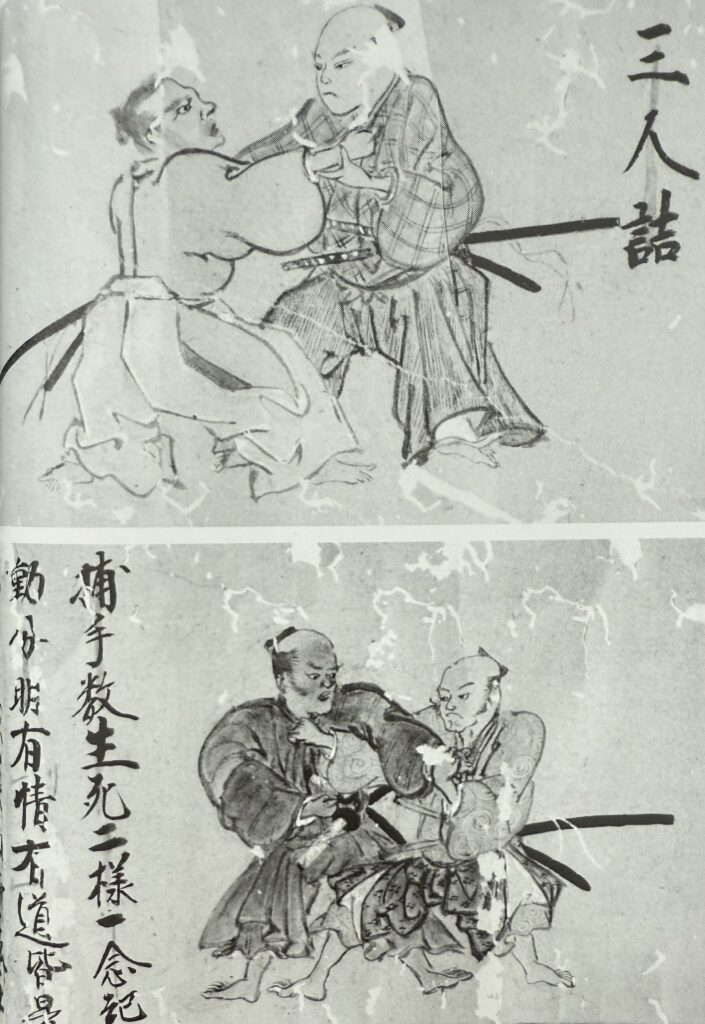
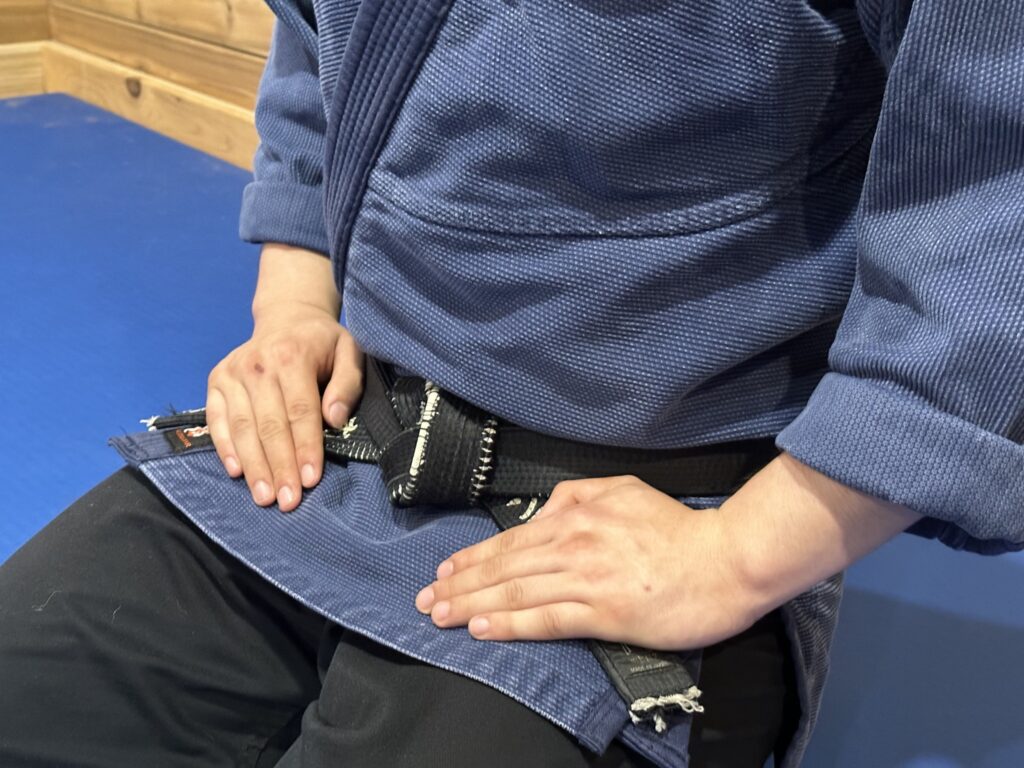
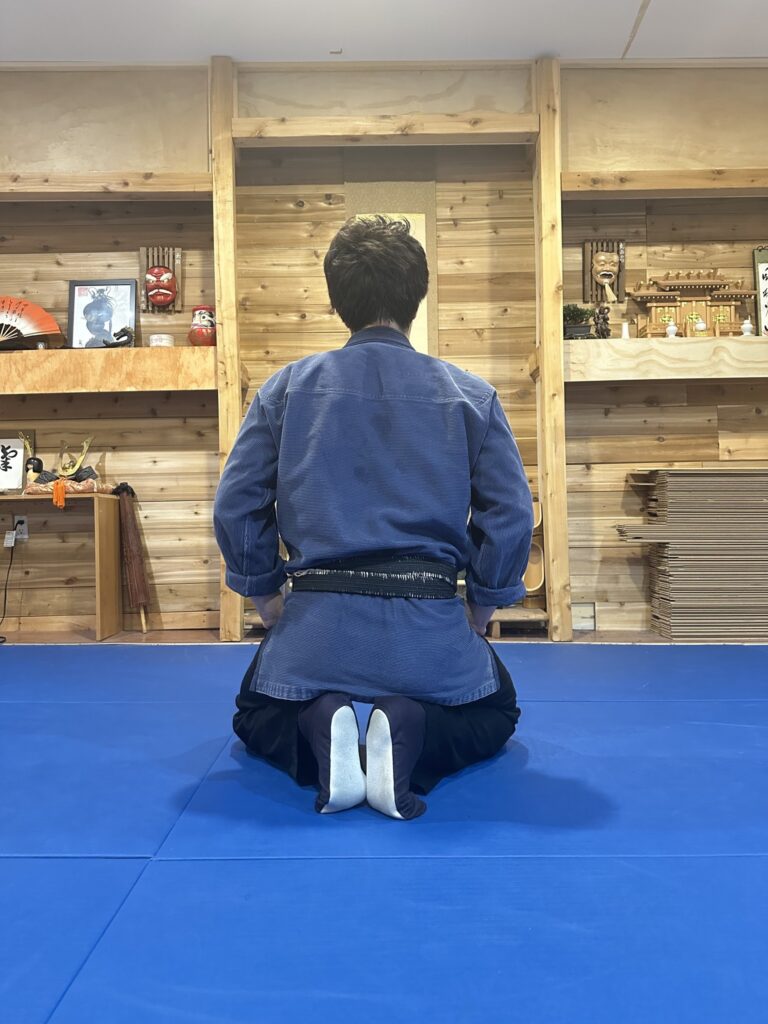
Hatsumi Sensei inherited all three lines Ishitani, Mizuta and Ishibashi line from Takamatsu Sensei through his family line connection to Kukishin Ryu and Takagi Yoshin Ryu through Ishitani and Mizuta Sensei’s teachings. Below is the extract from Akiyama’s Yoshin scroll and photos from our densho on Te and Ashi Waza Kuden.